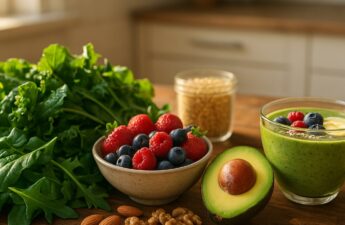

Superfoods have gained significant attention in health and wellness discussions, sparking curiosity about their true value. These are nutrient-dense foods packed with vitamins, minerals, and antioxidants that contribute to overall health and well-being. While they are not a magic cure, incorporating superfoods into a balanced diet can enhance nutritional intake and support various bodily functions.
The appeal of superfoods lies in their ability to provide substantial health benefits with relatively few calories. Foods like blueberries, quinoa, and kale are often highlighted for their rich nutrient profile, making them staples in the diets of health-conscious individuals. Recognising the potential of these foods can empower people to make informed dietary choices.
Understanding superfoods can shift one’s view of nutrition from merely focusing on calories to appreciating the quality of food consumed. Introducing a variety of these foods into daily meals not only enhances nutrition but also adds flavour and diversity, which can make healthy eating enjoyable.
Defining Superfoods
Superfoods refer to nutrient-rich foods that offer significant health benefits. They are often high in vitamins, minerals, antioxidants, and other important compounds that contribute to overall well-being. Understanding their nutritional profiles and addressing misconceptions is essential for making informed dietary choices.
Nutritional Profiles and Health Benefits
Superfoods typically contain a dense array of nutrients. These include high levels of vitamins such as Vitamin C, Calcium, and Iron, which support various bodily functions. Minerals like Magnesium and Potassium are often present, aiding in metabolic processes and maintaining fluid balance.
Moreover, superfoods are notably rich in antioxidants and phytochemicals. These compounds help combat oxidative stress and inflammation, potentially reducing the risk of chronic diseases. For example, blueberries are known for their high antioxidant content, while quinoa offers a complete protein profile alongside ample fibre. Examples of common superfoods include kale, chia seeds, and salmon, each contributing unique health benefits.
Common Misconceptions
Many misconceptions surround the term “superfoods.” One prevalent belief is that they are miracle foods that alone can provide all necessary nutrients. In truth, a balanced diet requires a variety of food sources to meet nutritional needs.
Another misconception is that superfoods are overly expensive or exotic. While some superfoods may be costly or less accessible, many affordable options exist. Foods like lentils, spinach, and oats are not only nutrient-dense but also budget-friendly. Lastly, it’s crucial to recognise that moderation is key; consuming superfoods should complement a diverse and balanced diet, not replace other essential foods.
Impact of Superfoods on Chronic Diseases
Superfoods play a significant role in managing and preventing chronic diseases. They are rich in essential nutrients, antioxidants, and anti-inflammatory compounds. This section explores how they affect cardiovascular health, diabetes management, and cancer prevention.
Cardiovascular Health
Superfoods such as berries, nuts, and fatty fish contribute positively to cardiovascular health. Berries are high in antioxidants like flavonoids, which help lower blood pressure and improve cholesterol levels.
Fatty fish, rich in omega-3 fatty acids, can reduce triglycerides and minimise the risk of heart disease and stroke. Consuming a diet rich in these superfoods can lead to a healthier heart by decreasing inflammation and plaque buildup in the arteries.
Diabetes Management
Incorporating superfoods can aid in diabetes management, particularly for those with type 2 diabetes. Foods like whole grains, legumes, and certain fruits have a low glycaemic index. This characteristic helps in maintaining stable blood sugar levels.
Berries are particularly beneficial as they have low sugar content and high fibre, which assists in blood sugar regulation. Additionally, incorporating foods high in omega-3 fatty acids can improve insulin sensitivity, making it easier for the body to manage blood glucose levels.
Cancer Prevention
Certain superfoods exhibit properties that may help in cancer prevention. Cruciferous vegetables, berries, and tomatoes contain compounds that have been linked to reduced cancer risk.
For instance, the antioxidants found in berries combat oxidative stress, which can lead to cancer cell formation. Meanwhile, cruciferous vegetables like broccoli contain sulforaphane, a compound that may inhibit cancer cell growth. Regular consumption of these superfoods can provide valuable nutritional benefits that contribute to a lower risk of developing various cancers.
Top Superfoods and Their Unique Properties
Superfoods are nutrient-rich foods known for their health benefits. They can play a significant role in enhancing overall wellness. The following categories of superfoods each offer distinct properties that contribute to a healthy diet.
Fruits and Berries
Blueberries are widely recognised for their high antioxidant content. They contain anthocyanins, which may help protect against heart disease and improve brain function. Another valuable fruit is the tomato, rich in lycopene, which is linked to reduced cancer risk. Dark chocolate, particularly varieties with high cocoa content, provides flavonoids that support heart health while satisfying sweet cravings.
Green tea stands out for its catechins, which promote fat oxidation and may improve metabolic health. These beverages provide a refreshing choice while delivering essential nutrients. Yoghurt, particularly varieties containing probiotics, aids digestion and boosts gut health. This fermented dairy product contributes to a healthy immune system.
Vegetables and Leaves
Kale is a powerful leafy green known for its high vitamin K and A content. It also provides a variety of minerals and antioxidants. Spinach offers a rich source of iron and antioxidants, boosting energy levels and enhancing overall health. Garlic deserves mention for its sulphur compounds, which have potential anti-inflammatory properties and support heart health.
Cooking with olive oil provides monounsaturated fats that can help reduce heart disease risk. Incorporating these greens into meals can result in vibrant dishes that contribute significantly to nutritional intake. Tomatoes also fall into this category, packed with vitamins and minerals while supporting skin health.
Nuts, Seeds, and Grains
Nuts like almonds and walnuts are rich in healthy fats, protein, and fibre. Almonds are known for their vitamin E content, which may support skin health. Walnuts provide omega-3 fatty acids that contribute to brain function and reduce inflammation. Quinoa is a complete protein containing all nine essential amino acids, making it an excellent addition to vegetarian diets.
Seeds such as chia and flaxseeds offer omega-3 fatty acids and fibre, promoting heart health and aiding digestion. Lentils are nutrient-dense legumes packed with protein and fibres that promote digestive health. Beans also offer versatile options that are high in protein and nutrients, and suitable for various dishes.
Fish and Other Proteins
Salmon is a prime example of a superfood protein, renowned for its omega-3 fatty acids. These fats are essential for brain health and may reduce inflammation. Eggs are another protein source that provides choline, important for brain function, and high-quality protein for muscle repair.
Incorporating these sources of protein can lead to improved nutrition. They offer options for balanced meals that support a healthy lifestyle. Including a variety of superfoods ensures a well-rounded diet that can benefit overall well-being.
Incorporating Superfoods into Your Diet
Integrating superfoods into daily meals can enhance nutrient intake and support overall well-being. This section outlines how to create a balanced diet plan and understand appropriate portions for these nutrient-rich foods.
Creating a Balanced Diet Plan
A balanced diet plan incorporating superfoods should focus on variety and nutrient density. It is important to include a range of colours and types in one’s choices. For instance, adding dark leafy greens, such as kale and spinach, provides vitamin K and beta carotene.
Fruits like acai berries, strawberries, and pumpkins offer antioxidants such as flavonoids and carotenoids. Whole grains like quinoa and brown rice supply plant-based protein and fibre, supporting heart health.
Incorporate healthy fats from sources like avocados and nuts and seeds to promote absorption of fat-soluble vitamins. Opting for probiotics found in kefir and fermented foods can help bolster the immune system and improve digestive health.
Understanding Portions and Servings
Portion control is crucial when incorporating superfoods into the diet. It helps maintain balance and prevents overconsumption of certain nutrients. Generally, a serving of fruit should be around 80-100 grams, while vegetables should fill half of the plate at meals.
When including nuts and seeds, a serving is about a small handful, around 30 grams. For whole grains, a cooked portion of 150-200 grams serves as a good guideline.
Turmeric can be added as a spice in moderation, whereas berries and cruciferous vegetables like broccoli can be served generously due to their low-calorie content and high nutrient density. Understanding these portions can optimise the benefits of superfoods while maintaining a balanced approach.