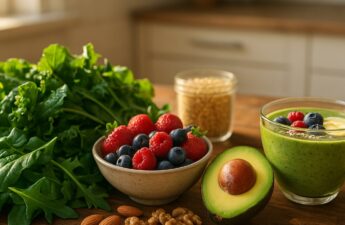

In a world where health is often at the forefront of conversation, superfoods play a pivotal role in bolstering the immune system. Incorporating foods rich in vitamins, minerals, and antioxidants significantly enhances immune response, helping the body fend off illnesses. As individuals seek ways to maintain their health, understanding which superfoods offer the most benefit becomes essential.
Research has highlighted numerous superfoods that possess immune-supporting properties. Ingredients such as berries, leafy greens, garlic, and citrus fruits are known for their nutrient density and bioactive compounds, which promote optimal immune function. By integrating these foods into daily diets, one can create a strong foundation for overall health.
Exploring the specific benefits of these superfoods can lead to informed dietary choices that contribute to long-term wellness. With the right knowledge, anyone can make simple changes to their eating habits that will support their immune health year-round.
Immune System Fundamentals
The immune system is a complex network crucial for protecting the body against illnesses. Its components play specific roles in responding to pathogens, while nutrition and lifestyle significantly affect its effectiveness.
Components of the Immune System
The immune system comprises various components including white blood cells, antibodies, and lymphoid organs. White blood cells, such as lymphocytes and phagocytes, are vital in identifying and attacking pathogens.
- B cells produce antibodies that neutralise foreign invaders.
- T cells directly kill infected cells or help orchestrate the immune response.
Lymphoid organs, like the spleen and lymph nodes, facilitate the storage and activation of these cells. This intricate system allows for a coordinated immune response, essential for maintaining health.
Significance of Nutrition in Immune Function
Nutrition plays a pivotal role in supporting immune function. Essential nutrients like vitamins C and D, zinc, and antioxidants enhance the body’s ability to combat infections.
- Vitamin C stimulates the production of white blood cells and antibodies.
- Zinc is vital for the development and function of immune cells.
Inadequate nutrition can weaken immunity, making the body more susceptible to infections. A balanced diet rich in fruits, vegetables, and whole grains provides the necessary nutrients to bolster the immune response.
Impact of Lifestyle on Immunity
Lifestyle choices significantly influence the immune system’s effectiveness. Regular physical activity, sufficient sleep, and stress management are crucial for maintaining immunity.
- Exercise enhances circulation, allowing for more efficient immune cell distribution.
- Sleep is essential for the regeneration of immune cells and their functionality.
Conversely, chronic stress can suppress immune responses, increasing susceptibility to illness. Adopting a healthy lifestyle can lead to improved immune function and better overall health.
Optimising Diet for Immunity
A diet rich in essential nutrients strengthens the immune system. Key vitamins, minerals, probiotics, and a balanced intake of macronutrients contribute significantly to immune health.
Key Vitamins and Minerals
Vitamins and minerals play crucial roles in immune function. Vitamin C, found in oranges and other citrus fruits, supports the production of white blood cells. This boosts the body’s ability to fight infections. Vitamin A enhances the immune response, mainly from sources like carrots and leafy greens.
Zinc is vital for immune cell development; it can be found in lean meats, shellfish, and nuts. Vitamin D, essential for modulating the immune system, is obtained from fatty fish and fortified foods.
Vitamin E and selenium also contribute to immune health. Sources of Vitamin E include nuts and seeds, while selenium is found in Brazil nuts and seafood. A well-rounded diet ensures adequate intake of these critical nutrients.
Probiotics and Gut Health
The gut microbiome significantly influences immune function. Probiotics, found in fermented foods like yoghurt and sauerkraut, help maintain a healthy gut flora. This balance supports digestion and enhances the body’s immune response.
Research shows that specific probiotic strains can reduce the duration of cold and flu-like symptoms. Consuming a variety of fermented foods provides beneficial bacteria that support gut health. This, in turn, promotes the production of immune cells and antibodies.
Incorporating prebiotic foods, such as garlic and onions, nourishes the beneficial bacteria, further supporting gut health. A balanced gut microbiome is essential for a robust immune system.
Balancing Macronutrients
A balanced intake of macronutrients—carbohydrates, proteins, and fats—is critical for immune support. Lean protein sources, such as poultry and legumes, are vital for building and repairing tissues. This is essential, particularly during periods of illness.
Healthy fats, including those from avocados and fatty fish like salmon, provide anti-inflammatory benefits. They also support cellular health and hormonal balance.
Complex carbohydrates, including whole grains and vegetables, offer sustained energy and essential fibre. Fibre contributes to gut health by supporting the growth of beneficial bacteria.
Together, these macronutrients create a strong foundation for a well-functioning immune system. A diverse diet helps to ensure all necessary nutrients are consumed for optimal immune health.
Superfoods for Immune Support
A balanced diet rich in specific superfoods can significantly enhance immune function. Incorporating various fruits, vegetables, herbs, and probiotics can provide essential nutrients and compounds that support the body’s natural defence mechanisms.
Fruits and Vegetables High in Antioxidants
Berries such as blueberries, strawberries, and blackberries are excellent sources of antioxidants, which help combat oxidative stress. Citrus fruits like oranges and grapefruits provide high levels of vitamin C, a crucial nutrient for immune health.
Vegetables such as spinach and bell peppers are rich in vitamins A and C, along with other antioxidants. They help regulate immune responses and protect cells from damage. Sweet potatoes, especially, are packed with beta-carotene, an antioxidant that the body converts into vitamin A, aiding in maintaining a robust immune system.
Anti-inflammatory Herbs and Spices
Ginger is known for its anti-inflammatory properties and can help reduce inflammation, which often accompanies illness. It contains bioactive compounds that can enhance immunity.
Turmeric, another powerful spice, contains curcumin, which is effective in reducing inflammation and may help improve immune responses. Garlic is another beneficial option, rich in sulphur compounds that can boost the immune system and may help fight infections.
Incorporating these herbs and spices into daily meals can enhance flavour and provide significant health benefits. Green tea is also noteworthy, as it is high in antioxidants and has been linked to improved immune functions.
Natural Probiotic Sources
Natural probiotics are vital for gut health and play a crucial role in immune support. Foods like kefir and yoghurt are rich in beneficial bacteria that can aid digestive health and strengthen the immune system.
These probiotics enhance the body’s ability to fight infections and may reduce the risk of certain diseases. They also promote a healthy gut microbiome, which is essential for optimal immune function. Including these probiotic sources in the diet can offer significant advantages for overall health and immunity.
Lifestyle Adjustments for Enhanced Immunity
To support immune health, adopting specific lifestyle adjustments can be beneficial. These changes create a solid foundation for a robust immune system.
Exercise
Regular physical activity boosts circulation and promotes immune function. Aim for at least 150 minutes of moderate exercise weekly. Activities like walking, cycling, or swimming can be effective.
Sleep
Quality sleep is essential for immune support. Adults should aim for 7-9 hours per night. Establishing a regular sleep routine, including a calming pre-sleep ritual, can enhance sleep quality.
Stress Management
Chronic stress negatively impacts immunity. Incorporating stress-reduction techniques, such as mindfulness, meditation, or yoga, can help manage stress levels. Even short breaks during the day can make a difference.
Healthy Diet
A balanced diet rich in fruits, vegetables, whole grains, and lean proteins provides crucial nutrients that support immune health. Key nutrients include vitamins C and D, zinc, and antioxidants. Including superfoods like berries, spinach, and nuts can also be advantageous.
Lifestyle Factors
Limiting alcohol consumption and avoiding smoking are important. Both can impair immune response. Maintaining hydration and staying socially connected also contribute to overall well-being.
These adjustments create a comprehensive approach to enhancing immunity through lifestyle choices.