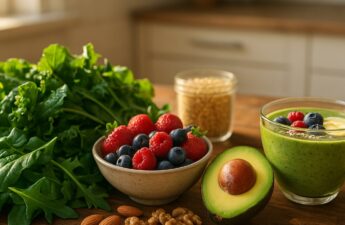

Eating clean doesn’t have to strain the budget. There are numerous affordable ways to maintain a balanced diet rich in nutritious foods that support healthy eating without compromise. With a little planning and creativity, anyone can incorporate clean eating principles into their lifestyle, making nutritious choices more accessible.
Many believe that eating clean requires expensive organic produce or speciality items, but this isn’t true. Seasonal fruits and vegetables, whole grains, and legumes often come at a fraction of the cost, especially when purchased in bulk or from local markets. Planning meals around these affordable staples can lead to both significant savings and improved nutrition.
Embracing clean eating means prioritising whole, unprocessed foods while being mindful of costs. Simple adjustments, like cooking at home and reducing food waste, can lead to healthier meals and a more sustainable approach to food consumption. By exploring these strategies, individuals can enjoy the benefits of clean eating without financial strain.
Planning and Preparation
Effective planning and preparation can significantly enhance the journey towards clean eating. By understanding nutritional needs, creating a structured meal plan, and maintaining an organised shopping approach, individuals can make healthier choices without straining their finances.
Understanding Nutritional Needs
To eat clean affordably, one must first grasp their nutritional requirements. This involves knowing the balance of macronutrients: carbohydrates, proteins, and fats needed for daily activities.
Common Requirements:
- Protein: Essential for muscle and tissue repair. Sources include beans, lentils, eggs, and chicken.
- Carbohydrates: Needed for energy. Opt for whole grains, fruits, and vegetables.
- Fats: Healthy fats from sources like avocados, nuts, and olive oil are crucial for nutrient absorption.
Determining specific needs can be achieved through food diaries or consulting dietary guidelines. Tailoring intake based on personal health goals ensures a balanced diet.
Creating a Healthy Meal Plan
Crafting a healthy meal plan simplifies the clean eating process. A well-structured plan breaks down meals for the week, reducing impulsive and unhealthy choices.
Steps to Create a Meal Plan:
- Select Recipes: Choose recipes that incorporate fresh, whole ingredients.
- Balance the Plate: Include a variety of vegetables, lean proteins, and whole grains in each meal.
- Plan for Snacks: Healthy snacks like fruits, nuts, or yoghurt keep energy levels stable.
Each meal should have a purpose. This allows individuals to eliminate food waste by only purchasing the necessary ingredients.
Shopping Lists and Budget Tips
An organised shopping list is vital for budget-friendly grocery shopping. It helps avoid unnecessary purchases and stick to the plan.
Budget Tips:
- Use Coupons: Look for discounts on healthy foods to increase savings.
- Buy in Bulk: Opt for bulk items for staples like rice and beans when possible.
- Seasonal Produce: Purchase fruits and vegetables that are in season for better prices and freshness.
Sample Shopping List:
- Whole grains (brown rice, quinoa)
- Lean proteins (chicken, beans)
- Fresh vegetables and fruits
- Healthy fats (olive oil, nuts)
Regularly revising the list based on meal plans can lead to substantial savings while ensuring a continuous supply of nutritious food.
Shopping Smart for Clean Eating
Making informed choices while shopping can significantly impact the quality of one’s diet. Focusing on bulk buying, whole foods, and smart selections can enhance clean eating without overspending.
Buying in Bulk and Seasonal Foods
Purchasing in bulk is an effective way to save money while stocking up on essentials. Many stores offer discounts for buying larger quantities of items like grains, nuts, and seeds. Opt for store brands when available, as they often provide similar quality at a lower price.
Additionally, seasonal foods tend to be fresher and more economical. Buying fruits and vegetables when they are in season not only supports local farmers but also ensures better taste and higher nutritional value. Planning meals around these seasonal selections can lead to diverse and healthy eating habits.
Choosing Whole Foods Over Processed
Whole foods are minimally processed and provide superior nutritional benefits compared to their processed counterparts. Focus on foods such as fruits, vegetables, whole grains, and legumes. These options are typically less expensive per serving and more nutritious.
Processed foods are often laden with added sugars, unhealthy fats, and preservatives. By making a conscious effort to avoid these items, individuals can enhance their diet quality significantly. Read ingredient labels carefully, opting for products with fewer additives and recognisable ingredients.
Opting for Plant-Based Proteins
Plant-based proteins are not only budget-friendly but also nutritious alternatives to meat. Foods such as beans, lentils, chickpeas, and quinoa provide ample protein and can be customised in various dishes. Buying these items in bulk can lead to considerable savings over time.
Incorporating diverse plant-based proteins into meals can enhance nutritional value. For instance, adding seeds and nuts not only contributes protein but also healthy fats. Experimenting with different recipes can help keep meals exciting and varied.
Finding Healthy Bargains
Shopping smart means knowing where to find healthy bargains. Discount grocery stores and local farmers’ markets often provide high-quality products at lower prices. Look for weekly sales and promotions to take advantage of discounts on clean eating staples.
Using shopping apps can also help track prices and find deals on healthy items. Take time to compare prices between brands, as generic or store brands frequently offer the same quality at reduced costs. Keeping an eye out for clearance items can yield additional savings on fresh produce nearing the end of its shelf life.
Efficient Cooking and Meal Prep
Effective cooking and meal preparation are key to clean eating on a budget. By mastering batch cooking, utilising leftovers creatively, and preparing nutritious snacks, individuals can save time and reduce food waste while enjoying healthy meals.
Mastering Batch Cooking
Batch cooking is a practical approach to preparing meals in large quantities. This method reduces cooking time during the week and ensures access to wholesome food.
Using staples like oats, chicken, and seasonal vegetables, one can create a variety of dishes. For example, cooking a large pot of oatmeal for porridge can serve as a base for nutritious breakfasts throughout the week.
Containers for storage play a crucial role. Glass or BPA-free plastic containers help keep food fresh and allow for easy microwave reheating. Labelling containers with dates helps track freshness and reduce waste.
Utilising Leftovers Creatively
Transforming leftovers into new meals enhances food utilisation and minimises waste. Instead of simply reheating, individuals can creatively repurpose ingredients into fresh dishes.
For example, leftover roast vegetables can become a delicious frittata or a hearty soup. Unused grains like quinoa or rice can be mixed with beans and spices to create a flavourful salad.
Storing leftovers correctly in clear containers helps maintain visibility and encourages their use before they spoil. Keeping a ‘leftovers night’ each week can also promote creativity in the kitchen while ensuring nothing goes to waste.
Preparing Nutritious Snacks
Nutritious snacks are essential for maintaining energy levels throughout the day. Preparing wholesome snacks in advance can help avoid unhealthy choices.
Snacks like homemade energy balls made from oats, nut butter, and dried fruits are satisfying and simple to create. Cutting up fresh fruits and vegetables aids in easy access to healthy options.
Utilising portion control by using small containers or bags can help in managing serving sizes. Keeping a selection of snacks readily available in the fridge or pantry encourages healthier eating habits during busy moments.
Maintaining a Clean Diet
Maintaining a clean diet involves strategic choices that can help to eat healthily without breaking the bank. Focusing on nutrient-rich foods and avoiding unhealthy temptations contributes to long-term success.
Incorporating Superfoods and Staples
Including superfoods and pantry staples enhances nutrition efficiently. Foods like quinoa, brown rice, and whole grain options provide a solid base. They are rich in fibre and essential nutrients, aiding in weight loss and satiety.
Frozen vegetables and fruits are practical choices. They are often less expensive and retain their nutritional value, making them ideal for meal preparation. Adding canned beans to dishes boosts protein and fibre content.
Vegetable soups and homemade sauces based on healthy ingredients, such as tomato sauce, are nutritious options. They can be stored or frozen for quick meals. Incorporating sardines or Greek yoghurt offers alternative protein sources, ensuring meals are both clean and satisfying.
Avoiding Fast Food Temptations
Fast food often overwhelms those trying to maintain a clean diet. Planning meals ahead of time mitigates the impulse to opt for convenient takeaway options. Preparing meals at home allows for control over ingredients and portion sizes.
Keeping healthy snacks accessible, such as wholegrain bread with natural toppings or sliced fruits, can stave off cravings. This preparation reinforces healthier choices during busy times.
Setting clear guidelines for when and how to indulge is beneficial. Allowing occasional indulgences can make adherence to a clean diet more sustainable without feelings of deprivation.
Managing a Balanced Diet Long-term
A balanced diet requires the mindful integration of various food groups. Fruits, vegetables, and animal proteins should be prioritised while ensuring variety to avoid monotony.
Incorporating items like sweet potatoes and whole grains ensures adequate energy levels throughout the day. Establishing a routine around meal planning and shopping keeps costs down and nourishment high.
Consistency is key to long-term success. Regular adjustments based on preferences and seasonal availability ensure the diet remains engaging and satisfying. By focusing on clean, whole foods and smart preparations, maintaining this dietary approach becomes more manageable.