
Wisdom Tooth Removal Myths: What Patients Should Know
Wisdom teeth have a reputation they don’t quite earn. We’ve all heard horror stories about swelling and weeks off work, but the reality is usually simpler: some third molars need to go, while many don’t.
Myth 1: everyone needs their wisdom teeth out
This is the myth we hear most often. It comes from a time when removal was almost routine for teens and young adults. Parents may still expect it, and patients may plan for it. Current guidance does not support that approach.
Evidence-based guidelines, such as those from NICE, state that impacted wisdom teeth should be removed only when there is documented disease or a clear risk that can be explained. The AAOMS position is similar. Removal is not recommended simply because third molars are present.
That advice works both ways. You don’t need surgery simply to avoid future trouble that may never happen. At the same time, a dentist is unlikely to suggest keeping a tooth that already shows active problems.
What counts as a reason to act? Common examples include repeated infection around the gum flap and decay that can’t be restored. Damage to the next tooth and cyst-like changes seen on an X-ray are other reasons. A dentist should be able to show you and explain each finding.
If your wisdom teeth are fully erupted, easy to clean and surrounded by healthy gums, there is often no reason to remove them. Monitoring with regular checks and X-rays is then the usual approach.
Both extremes can cause harm. Pulling healthy teeth that might never cause trouble creates needless cost and healing time. Keeping teeth that are clearly diseased allows existing problems to develop further.
Monitoring doesn’t mean ignoring a tooth. It involves repeat checks and a new X-ray when due. If your gums bleed often or food becomes trapped every day, tell your dentist. Even small changes in symptoms may affect the plan. That steady watch helps avoid needless surgery while reducing the chance of a late surprise.
Myth 2: no pain means there is no problem
The absence of pain can feel reassuring, but it isn’t proof that all is well.
Impacted wisdom teeth are often silent. A tooth may sit at an angle under the gum without ever breaking through fully. You may feel nothing at all, while a dentist can still see a potential problem on an X-ray.
One common position is mesioangular impaction. The wisdom tooth leans forward against the second molar, creating a contact point that can trap plaque and food. This area is difficult to brush and floss properly.
Over time, that trap can cause decay in the next tooth and loss of bone behind it. It may also wear away part of the root surface in a process called root resorption. These changes may not hurt at first. By the time pain begins, the damage can be harder to repair.
A partly erupted tooth brings a different risk. A flap of gum may cover part of the crown, allowing bacteria to collect underneath. This can lead to pericoronitis, a painful infection associated with swelling and a bad taste. Once it starts, it may return.
Impacted teeth can also develop fluid-filled changes around the crown. The most common type is a dentigerous cyst. These growths tend to be slow and painless in their early stages, but they can weaken the surrounding bone if left untreated.
This is why a panoramic X-ray, often called an OPG, can be so useful. It shows the root shape and how close the tooth sits to nearby nerves. It also allows a dentist to explain the findings in plain language. A dentist who provides Wisdom Tooth Removal in Cannington can use this imaging to pick up silent changes before symptoms appear, and just as importantly, to confirm when no treatment is needed.
The second molar deserves particular attention because it handles much of the heavy chewing. When a tilted wisdom tooth presses against it, decay may start in an area a toothbrush can’t reach. Bone support can also shrink in that corner. Protecting the second molar is often an important reason a dentist recommends removal.
No pain is good news. It just isn’t the whole picture.
Myth 3: extraction is always painful
Fear of pain keeps many people from booking an assessment. We’ve all heard a story about someone having a difficult weekend after surgery. For most patients, modern Wisdom Tooth Removal is more manageable than those stories suggest.
You should not feel sharp pain during the procedure. Local anesthesia numbs the area, although you may still notice pressure or movement. If you are anxious, IV sedation is often available too. It helps you remain sleepy and relaxed while the dentist works, so you do not have to focus on the sounds or sensations.
Afterwards, you can expect some soreness and stiffness. This tends to peak during the first 24 hours. Prescribed medication will usually keep it within manageable limits, while cold packs can help with swelling during the first day or two.
Age can make a difference. Removal in the mid-teens to early twenties is often simpler because the roots may not yet be fully formed. The bone is also more flexible and generally heals faster. This is why dentists often recommend assessing third molars early instead of waiting for years.
Older adults can still have treatment safely. Surgery may simply take a little longer, and healing may take longer as well. A dentist can explain what your age, health and tooth position are likely to mean in your case.
With IV sedation, you remain awake enough to breathe and respond, but you are deeply relaxed. A trained team monitors you throughout the procedure. Many people remember little afterwards, which is one reason anxious patients may prefer sedation to relying on local numbing alone.
Needles and drills are not pleasant to think about.
That reaction is quite normal.
You can ask what type of numbing is planned and which sedation choices are available. You can also check what pain relief you will take home. Clear, practical answers can take much of the fear out of the process.
Myth 4: wisdom teeth ruin straight teeth and healing takes weeks
Many people have been told that wisdom teeth will push their front teeth crooked. The idea sounds logical: there is pressure at the back, so the teeth at the front must shift.
Research doesn’t support that explanation. Late crowding of the lower front teeth occurs in people with and without third molars. Jaw growth and natural tooth drift can contribute, as can orthodontic relapse after braces. Wisdom teeth have not been proven to cause this crowding.
This doesn’t mean wisdom teeth can never affect neighbouring teeth. A tilted third molar may still cause direct damage. Front-tooth crowding by itself, however, is not considered a reason to book surgery.
Recovery is also shorter than many people expect. Most patients return to light daily routines within 48 to 72 hours. Desk work and school are often manageable by day three, although sport and heavy lifting need to wait longer.
Soft-tissue healing takes about one to two weeks. You will usually stick to soft foods for about a week and chew away from the sockets. Salt-water rinses begin after the first day, as directed by your dentist. Gentle care gives the sites time to close without unnecessary irritation.
Normal healing begins with blood clot formation. If that clot breaks down or becomes dislodged too early, the underlying bone is exposed. This condition is called alveolar osteitis, or dry socket, and it causes throbbing pain a few days after surgery.
Dry socket affects roughly 2-5% of wisdom tooth extractions (AAOMS). The risk is higher with smoking and poor oral hygiene. Using a straw too soon may also dislodge the clot. Following the no-straw advice and keeping your mouth clean can lower the risk.
What to do instead of waiting or guessing
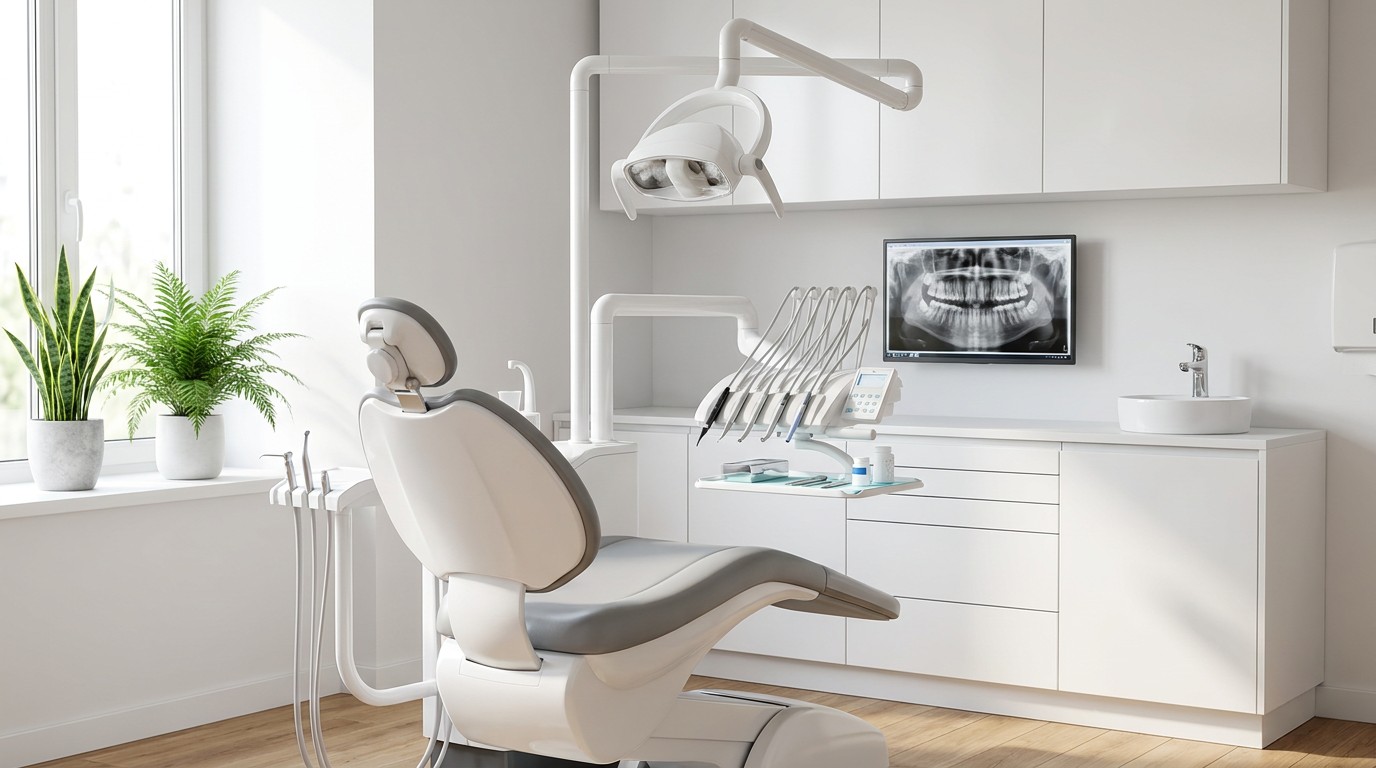
A dental assessment can confirm the condition of your third molars and whether removal is genuinely needed in your case. The visit often begins with an OPG, which shows all four third molars in a single image.
It shows the tilt and root shape of each tooth, along with how close the lower roots sit to the inferior alveolar nerve. This nerve provides feeling to the lip and chin. Knowing its position helps a dentist plan treatment safely.
Ask the dentist to talk you through what the image shows. Is the tooth fully erupted and easy to clean? Is part of it covered by gum? Look for evidence of decay or bone loss behind the second molar and discuss any swelling that keeps returning. Straight answers are more useful than jargon. You should leave understanding why monitoring is enough or why removal has been advised.
Discuss comfort options as well. Local anesthesia is standard for Wisdom Tooth Removal, while IV sedation is available for anxious patients in many settings. Ask what you are likely to feel and how long the numbness should last. You can also check which pain relief you will use at home and when you can expect to return to work or school.
If removal is recommended, the aftercare is straightforward but needs to be followed carefully. Use ice packs and rest for the remainder of the day. Stick to a soft-food diet while the gums begin to close. Avoid straws and smoking because both can disrupt healing. Start gentle rinses when your dentist advises, and call the practice if pain suddenly increases after day three or a bad taste does not go away.
Don’t fall into the trap of waiting until it hurts. Pain can be a late sign of cyst-like changes, root damage, gum infection or bone loss around the second molar. These problems rarely reverse by themselves. When treatment is needed, dealing with the issue earlier is often simpler and less stressful.
The opposite trap is rushing to remove healthy teeth just in case. Trouble-free wisdom teeth that are easy to clean can often remain in place. What matters is the finding in your mouth today and whether a specific future risk can be identified. A good dentist will explain both sides and give you space to decide without pressure.
Eat well before your visit if you are having local anesthesia only. Arrange for someone to drive you if you choose sedation. Keep yoghurt and soup at home for the first two days. A little preparation can make the first day of recovery much easier.
Myths persist because wisdom tooth stories tend to be dramatic. The reality is usually quieter. Some third molars remain healthy for life, while others cause silent harm before pain appears. Imaging and a clear conversation help distinguish one group from the other.
There is no need to fear removal or rush into it. The decision should be based on the facts about your own mouth. Get the X-ray, ask direct questions and follow the aftercare instructions closely. That approach supports calm decisions and helps protect the healthy molars you want to keep.