
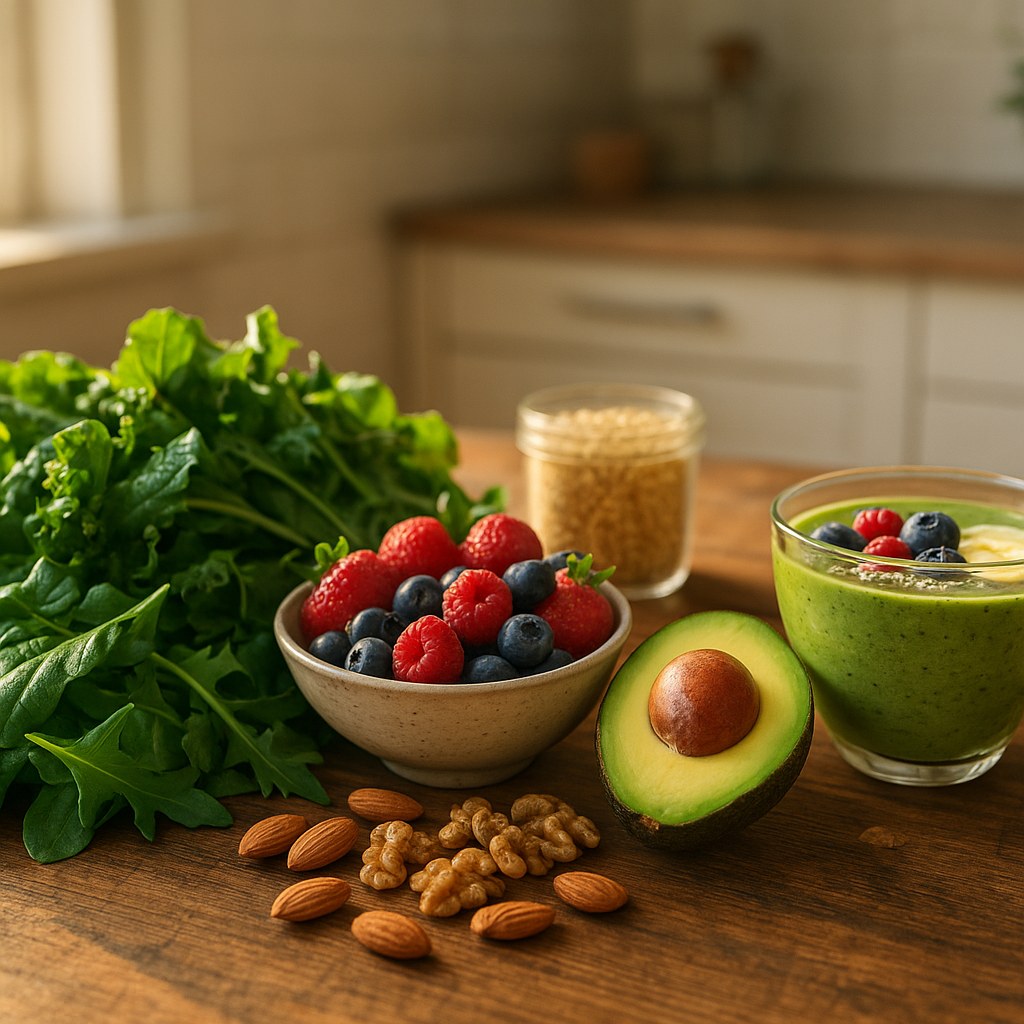
Making the switch to plant-based eating often feels like embarking on a grand experiment. We have all heard the lofty promises—clearer skin, better digestion, a lighter footprint on the planet—but the question that usually matters most to newcomers is far more immediate: when will I actually feel better? The answer, backed by a growing body of nutritional science and thousands of anecdotal accounts, is surprisingly quick. While long-term disease prevention takes years to manifest, the shift in daily vitality can arrive within a matter of weeks, sometimes even days. If you have been dragging yourself through afternoons or waking up feeling as though you never truly slept, a plant-based approach might be the reset your body has been waiting for.
This article explores the tangible, science-backed benefits of adopting a plant-based diet, with a specific focus on how quickly these changes manifest in real-world energy levels. We will examine the physiological mechanisms behind the boost, address common curiosities about skin and health, and provide a realistic roadmap for the first month of eating this way.
Are Plant-Based Foods Better for You?
The question of whether plant-based foods are inherently “better” is less about moral superiority and more about nutrient density. When we compare whole plant foods—vegetables, fruits, legumes, nuts, seeds, and whole grains—to the typical Western diet heavy in processed meats and refined carbohydrates, the nutritional profiles differ dramatically. Plant foods deliver fibre, antioxidants, phytonutrients, and complex carbohydrates without the saturated fats and inflammatory compounds found in high quantities in animal products and processed items.
Research consistently demonstrates that diets centred on plants correlate with lower risks of cardiovascular disease, type 2 diabetes, and certain cancers. A study published in the Journal of the American Heart Association found that participants who adhered to plant-based diets had a 16% lower risk of cardiovascular disease and a 31% lower risk of dying from cardiovascular causes. However, “better” ultimately depends on execution. A diet of chips, white pasta, and vegan biscuits is technically plant-based but hardly nourishing. The benefits emerge when plants form the foundation of the plate, not merely the garnish.
The First Two Weeks: Digestion and the Initial Energy Surge
One of the most immediate changes people notice when shifting to plant-based eating is a transformation in digestive efficiency. Animal products, particularly red meat and full-fat dairy, require significant metabolic effort to break down. They linger in the digestive tract, diverting blood flow and energy toward processing rather than powering your daily activities.
Within the first 7 to 14 days of replacing these with fibre-rich legumes, vegetables, and whole grains, many individuals report a “lightness” they hadn’t realised was missing. The digestive system begins to regulate, and the post-lunch slump—that familiar 3pm fog where concentration evaporates—often lifts. This isn’t merely subjective; fibre feeds the gut microbiome, producing short-chain fatty acids that reduce systemic inflammation and stabilise blood sugar. Without the glucose spikes and crashes caused by refined foods, energy levels remain steady rather than oscillating between jittery highs and exhausted lows.
The Hydration Factor
Many newcomers to plant-based eating unconsciously increase their water intake because fruits and vegetables have high water content. Cucumbers, courgettes, berries, and leafy greens contribute to cellular hydration, which directly impacts energy production. Even mild dehydration—losing just 2% of body water—can impair cognitive performance and physical stamina. By hydrating through food, plant-based eaters often experience an uptick in mental clarity within the first fortnight.
Weeks Three to Four: Sustained Vitality and Cellular Energy
If the first two weeks are about digestive relief, weeks three and four are where deeper physiological changes take root. Mitochondria—the energy-producing organelles within your cells—begin to function more efficiently when supplied with the antioxidants found abundantly in plant foods. Oxidative stress, caused by free radicals in processed foods and environmental pollutants, damages these cellular powerhouses. Plant antioxidants, particularly those in deeply coloured produce like beetroot, blueberries, and spinach, neutralise this damage.

Simultaneously, blood viscosity often improves. Plant-based diets naturally reduce levels of LDL cholesterol and triglycerides, improving circulation. Better blood flow means more oxygen reaches muscle tissue and the brain. This is why many people report that by the end of the first month, they wake up feeling genuinely refreshed rather than groggy. The body is no longer fighting chronic low-grade inflammation; instead, it is allocating resources toward repair and vitality.
How Long Does It Take to Feel the Benefits of a Plant-Based Diet?
This is perhaps the most common question for those standing at the threshold of dietary change. The timeline varies based on your starting point, but the general consensus amongst nutrition researchers is that measurable improvements in energy, digestion, and even skin quality appear between two and six weeks. A 2023 survey of plant-based eaters found that 62% noticed improved energy levels within the first three weeks, while 48% reported better sleep quality by week four. However, these benefits require consistency. A sporadic approach—plant-based on Mondays but reverting to processed foods by Wednesday—will delay results. The magic happens when the gut microbiome shifts, and this microbial adaptation typically takes 21 to 28 days of consistent dietary patterns.
Key Nutrients That Drive the Energy Transformation
Understanding which nutrients facilitate this rapid shift helps optimise your plate. Iron, often cited as a concern for plant-based eaters, is abundant in lentils, tofu, pumpkin seeds, and fortified cereals. When consumed with vitamin C (from peppers or citrus), non-haem iron absorption increases significantly. Magnesium, found in almonds, cashews, and dark leafy greens, is crucial for ATP production—the energy currency of cells. B vitamins, particularly B12 (which should be supplemented in strict vegan diets) and folate, support neurological function and red blood cell production.
Perhaps most importantly, complex carbohydrates from whole grains provide a slow-release fuel source. Unlike simple sugars that spike insulin, oats, quinoa, and brown rice offer sustained glucose delivery to the brain. This explains why many plant-based eaters report improved concentration and mood stability; the brain receives a steady supply of energy rather than intermittent bursts. Understanding how diet influences mood is key, as the gut-brain axis plays a significant role in this mental clarity.
Beyond Energy: Unexpected Benefits Within the First Month
While vitality is the headline act, other changes often surprise newcomers. Sleep quality frequently improves as tryptophan-rich foods (oats, bananas, chickpeas) support melatonin production without the inflammatory load of dairy. For those seeking to enhance their nightly rest further, our guide on improving sleep through diet offers comprehensive strategies. Joint pain may decrease due to reduced arachidonic acid intake from animal products. Even taste perception shifts; as the palate recalibrates away from hyper-salty, hyper-sweet processed foods, natural sweetness in carrots or the savoury depth of mushrooms becomes more pronounced.
What Food Tightens Your Face?
A curious question that often arises in the context of plant-based diets relates to aesthetics—specifically, foods that “tighten” the face or improve skin elasticity. While no single food performs miracles, plant-based eating offers specific compounds that support collagen synthesis and skin hydration. Foods rich in vitamin C (kiwi, strawberries, broccoli) are essential for collagen production, while zinc (pumpkin seeds, chickpeas) supports skin repair. Healthy fats from avocados and walnuts maintain the lipid barrier, keeping skin plump and reducing the appearance of fine lines. Additionally, the high antioxidant content in plant foods combats glycation—a process where sugar molecules damage collagen fibres, leading to sagging. Many people report a “glow” and firmer skin texture within a month of eliminating dairy and processed meats, likely due to reduced inflammation and improved hydration from increased fruit and vegetable consumption.
What Are the Health Benefits of Following a Vegetarian Diet?
While the terms “plant-based” and “vegetarian” are sometimes used interchangeably, vegetarian diets typically exclude meat but may include dairy and eggs. The health benefits are substantial and well-documented. Vegetarians generally exhibit lower body mass indices, reduced hypertension risk, and improved lipid profiles compared to omnivores. A comprehensive meta-analysis in Nutrients journal concluded that vegetarian diets are associated with a 25% reduction in ischaemic heart disease incidence.
From an energy perspective, vegetarian diets that minimise cheese and eggs while emphasising whole plant foods offer similar vitality benefits to fully vegan approaches. The key differentiator is the reduction of inflammatory saturated fats and the increase in protective phytonutrients. Whether one chooses vegetarianism for ethical, environmental, or health reasons, the physiological rewards—particularly regarding cardiovascular efficiency and metabolic health—are significant and often noticeable within the first few weeks of adoption.

Making It Work: Practical Strategies for the Transition
Knowing the benefits is one thing; experiencing them requires navigating the practical transition. The most successful adopters focus on addition rather than subtraction. Instead of fixating on what is being removed, concentrate on adding one new vegetable or legume to your weekly repertoire. This prevents the feeling of deprivation that often derails dietary changes.
- Batch cook grains: Prepare a large pot of quinoa or brown rice at the weekend to ensure quick assembly of nourishing bowls during busy weekdays.
- Embrace healthy fats: Don’t fear avocados, tahini, or olive oil. These provide satiety and support the absorption of fat-soluble vitamins A, D, E, and K.
- Plan for protein: While most people meet protein needs easily on varied plant diets, including a source at each meal (tofu, tempeh, beans, lentils) stabilises blood sugar and sustains energy.
- Stay hydrated: Increased fibre intake requires increased water intake to prevent temporary bloating.
It is also wise to monitor how you feel rather than obsess over strict rules. Some thrive on raw, high-fruit approaches; others feel best with warming, cooked foods and hearty stews. Listen to your energy levels. If you feel fatigued, examine your iron and B12 intake. If you feel constantly hungry, increase your complex carbohydrates and fats.
Potential Pitfalls and How to Avoid Them
Not every plant-based journey begins with boundless energy. Some people experience a temporary “detox” phase involving headaches or fatigue as the body adjusts to reduced caffeine, sugar, or processed food intake. This typically resolves within a week. Others may experience digestive discomfort if fibre intake increases too rapidly. The solution is gradualism—slowly incorporating beans and cruciferous vegetables while drinking plenty of water allows the gut bacteria to adapt without excessive gas or bloating.
Another common mistake is relying on processed vegan alternatives. While plant-based burgers and cheeses have improved dramatically, they are often high in sodium and saturated fats, which can negate the energy benefits. Focus on whole foods for the majority of your meals, treating processed alternatives as occasional conveniences rather than staples.
Conclusion
The promise of “real daily energy within weeks” is not marketing hyperbole; it is a physiological reality for many who adopt plant-based eating. By reducing the digestive burden of animal products, flooding the system with anti-inflammatory antioxidants, and stabilising blood sugar through complex carbohydrates and fibre, the body undergoes a noticeable recalibration. From improved mitochondrial function to better circulation and enhanced gut health, the mechanisms are well-established.
Whether you are motivated by the desire for clearer skin, better athletic performance, or simply the wish to stop relying on caffeine to survive the afternoon, the plant-based path offers tangible rewards in a surprisingly short timeframe. Within a month, the heaviness lifts, the mental fog clears, and vitality becomes the default rather than the exception. As with any significant dietary change, individual results vary, and consulting with a healthcare professional or registered dietitian is advisable, particularly if you have underlying health conditions. However, for those willing to embrace the abundance of the plant kingdom, the first few weeks often bring a revelation: this is not a diet of restriction, but one of profound, energising addition.


