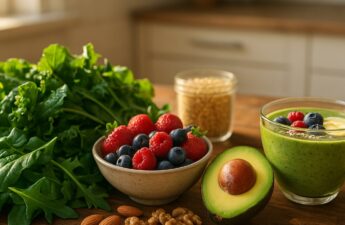

Eating well for gut health significantly impacts overall well-being. A balanced diet rich in fibre, probiotics, and prebiotics nurtures beneficial gut bacteria and supports a thriving gut microbiome. This attention to nutrition enhances digestion and fortifies the immune system, paving the way for a healthier, more resilient body.
Incorporating whole foods like fruits, vegetables, and whole grains can boost the population of friendly bacteria in the gut. These foods not only supply essential nutrients but also promote a diverse gut microbiota, which is crucial for optimal digestion and immune function. Understanding how dietary choices affect gut health can empower individuals to make informed decisions that positively influence their microbiome.
Making simple adjustments to one’s diet can lead to significant improvements in gut function and health. By prioritising the right foods, anyone can take steps towards maintaining a balanced microbiome and fostering better overall health.
Optimising Diet for Gut Health
Maintaining a balanced diet that supports gut health involves understanding the gut microbiome and incorporating specific foods that promote diversity and resilience. Key components include fibre, probiotics, and prebiotics, which play vital roles in nurturing gut bacteria.
Understanding the Gut Microbiome
The gut microbiome consists of trillions of microorganisms that aid digestion, produce vitamins, and protect against pathogens. A diverse microbiome is critical for overall health. Diet significantly influences this diversity.
Whole grains, fruits, vegetables, and legumes contribute beneficial compounds. Foods rich in polyphenols, such as berries and nuts, further support microbiome health. Stress and antibiotics can disrupt this balance; hence, a nutrient-rich diet is essential.
The Role of Fibre and Complex Carbohydrates
Fibre is crucial for gut health as it helps maintain regular bowel movements and feeds beneficial gut bacteria. Sources of fibre include wholemeal bread, brown rice, beans, and lentils.
Complex carbohydrates, found in plant-based foods, promote the growth of healthy bacteria. Soluble fibre, in particular, from oats and legumes, can help lower cholesterol and stabilise blood sugar levels, benefiting both gut health and overall well-being.
Incorporating Probiotic and Prebiotic Foods
Probiotics are live bacteria that provide health benefits when consumed. Foods like kefir, kimchi, sauerkraut, and live yoghurt are rich in probiotics. Regularly including these in the diet can enhance gut flora diversity.
Prebiotics, on the other hand, are substances that feed these beneficial bacteria. Foods rich in prebiotics include garlic, onions, and inulin-containing products. Incorporating these into the diet can significantly improve digestive health and balance microbial communities in the gut.
Adverse Foods to Limit
Certain foods can negatively impact gut health, leading to issues such as bloating, constipation, and other gastrointestinal problems. It is important to recognise these adverse foods and limit their consumption to support overall digestive wellness.
Effects of Processed Foods and Additives
Processed foods often contain a variety of additives and preservatives that can disrupt gut health. These substances may include emulsifiers and artificial flavourings, which can contribute to gastrointestinal discomfort. Research indicates that ultra-processed foods are associated with an increased risk of conditions like irritable bowel syndrome (IBS).
Additionally, these foods tend to be low in fibre and nutrients. A diet high in processed options can lead to imbalances in gut microbiota, exacerbating issues like bloating and constipation. Encouraging the intake of whole foods can help mitigate these effects and promote better digestive health.
In order to counter these effects, it could be helpful to increase the intake of whole, minimally processed foods. Functional foods such as mushroom liquid culture, especially those derived from medicinal mushrooms, can offer bioactive compounds that may help support microbial balance and reduce gut inflammation. Individuals can restore gut health by integrating such natural, nutrient-dense options into their diet.
Impact of Artificial Sweeteners and Preservatives
Artificial sweeteners, frequently found in ‘diet’ or ‘sugar-free’ products, can adversely affect gut health. Studies suggest that these compounds may disrupt the gut microbiome, leading to gastrointestinal issues, including bloating and changes in appetite regulation. Common sweeteners like aspartame and sucralose have been linked to increased gut permeability.
Preservatives, such as sodium benzoate and potassium sorbate, also pose risks. Although they prolong shelf life, these substances may trigger reactions in sensitive individuals. Limiting products containing artificial sweeteners and preservatives can help maintain a healthier gut environment.
Balancing Dairy and Gluten Intake
Dairy and gluten-containing foods can cause digestive issues for some individuals, particularly those with lactose intolerance or gluten sensitivity. Dairy products may lead to symptoms like bloating and gas, while gluten can affect individuals with celiac disease or IBS.
It is essential to pay attention to personal tolerance levels. Some may benefit from completely avoiding these foods, while others might tolerate them in moderation. Choosing fermented dairy products, such as yoghurt, and gluten-free options can help in accommodating individual needs while still providing complex carbohydrates and essential nutrients.
Lifestyle Factors Influencing Gut Health
Lifestyle choices play a crucial role in maintaining a healthy gut. Proper hydration, exercise, and mental well-being are significant factors that contribute to gut health.
Importance of Hydration
Adequate hydration is essential for optimal gut function. Water aids in digestion and nutrient absorption by keeping the digestive system lubricated. It also helps maintain a healthy balance of gut microbiota. When the body is well-hydrated, it supports immune function, reducing inflammation that can negatively impact the gut.
Aim for approximately 2 to 3 litres of water each day, adjusting based on individual needs and activity levels. Consuming water-rich foods such as fruits and vegetables can also help in reaching hydration goals. Insufficient fluid intake can lead to constipation and disrupt the formation of a diverse gut microbiome.
Benefits of Regular Exercise
Regular physical activity significantly benefits gut health. Exercise promotes better circulation, which supports immune function and can reduce inflammation. Enhanced blood flow to the digestive organs helps in nutrient transport and waste elimination.
Incorporating activities like walking, cycling, or strength training can help maintain a healthy weight, which is crucial for optimal gut function. Exercise also releases neurotransmitters that improve mood and reduce symptoms of anxiety and depression. Such effects contribute to a healthier gut microbiome, as a balanced state of mind benefits gut bacteria diversity.
Mental Wellbeing and Stress Management
Mental well-being is intricately linked to gut health. High-stress levels can negatively impact digestive health, leading to gastrointestinal issues. Stress can disrupt the gut-brain axis, affecting the production of neurotransmitters that influence mood and overall health.
Implementing stress management techniques, such as mindfulness, meditation, or yoga, can improve both mental and gut health. Regular practices can lower anxiety levels and contribute to a balanced gut microbiota. Prioritising mental well-being is essential for nurturing a healthy gut and promoting a happier mood.