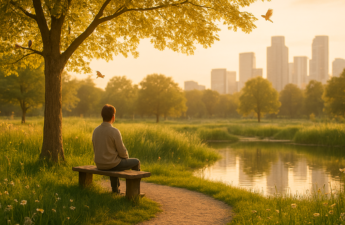

Spending time in nature has been linked to various physical and mental health benefits. Research indicates that regular exposure to natural environments can reduce stress, enhance mood, and improve overall well-being. Individuals who make time for outdoor activities often experience increased levels of physical fitness, as well as mental clarity.
Engaging with the natural world encourages individuals to disconnect from the pressures of daily life. Nature provides a calming backdrop that allows for reflection and mindfulness. Those who immerse themselves in green spaces often report feeling more energised and creatively inspired.
Moreover, spending time outdoors fosters a sense of community and belonging. Activities like hiking, gardening, or simply enjoying a park can lead to meaningful social interactions. This connection to both nature and others underscores the holistic benefits of embracing the outdoors in everyday life.
Psychological Advantages of Nature
Spending time in nature offers significant psychological benefits that positively influence mental health and well-being. Evidence supports its role in reducing anxiety and depression symptoms, enhancing cognitive function, and improving sleep quality.
Impact on Mental Health and Well-being
Nature environments contribute to improved mental health by promoting feelings of tranquillity and safety. Natural settings can lower cortisol levels, the hormone associated with stress, which leads to enhanced mental well-being. Those who regularly engage with nature often report greater life satisfaction, providing a remedy against the pervasive issues of modern urban life.
Regular exposure to greenery can help alleviate symptoms related to conditions such as ADHD. Patients often find that being in natural surroundings aids focus and reduces distractions, promoting emotional stability.
Reduction in Anxiety and Depression Symptoms
Studies have demonstrated that spending time in nature can substantially reduce anxiety and depression symptoms. The calming effects provided by natural landscapes result in a drop in negative feelings.
Walking in parks or wooded areas has been shown to significantly reduce anxiety. The act of immersing oneself in a pleasant environment can facilitate relaxation, helping to manage the symptoms of various mood disorders.
Enhancement of Cognitive Function
Cognitive benefits arise from exposure to nature that includes improved attention span and problem-solving skills. Natural settings promote a state of mindfulness, allowing for greater mental clarity.
Engagement with outdoor activities, such as hiking or birdwatching, stimulates the brain and enhances creativity. Nature encourages a mental reset, which can boost productivity and improve overall cognitive function.
Improvement of Sleep and Circadian Rhythm
Exposure to natural light helps regulate circadian rhythms, leading to better sleep quality. Nature’s influence on sleep patterns significantly benefits mental health, especially for those with insomnia or other sleep disorders.
Spending time outdoors reduces exposure to screens, which often disrupt sleep cycles. As natural light synchronises the body’s internal clock, individuals often experience more restful nights and rejuvenating sleep.
Nature as a Therapeutic Environment
Ecotherapy utilises nature as a therapeutic tool for mental well-being. This approach incorporates outdoor activities as part of therapy, allowing for healing through natural interactions.
Being in nature fosters a sense of connection to the environment, enhancing self-awareness and emotional resilience. It encourages individuals to engage with their surroundings, which can foster a sense of belonging and purpose.
Physical Health Enhancements
Spending time in nature contributes significantly to various aspects of physical health. These enhancements include disease prevention, the benefits of sunlight for Vitamin D production, immune system support, and increased physical activity levels.
Disease Prevention and Health Promotion
Regular exposure to natural environments can help prevent chronic diseases. Studies indicate that spending time outdoors reduces stress levels, which directly correlates with lower incidences of heart disease and hypertension. Additionally, interacting with nature has been linked to improved respiratory health, particularly in urban areas where air quality may be compromised.
Furthermore, being in nature promotes better mental health, leading to behaviours such as improved dietary choices and increased physical activity. These factors collectively contribute to enhanced overall wellness and lower healthcare costs over time.
Vitamin D from Sunlight Exposure
Sunlight exposure is essential for the body’s production of Vitamin D, a vital nutrient for several bodily functions. By spending time outdoors, individuals can boost their Vitamin D levels through natural light. This vitamin plays a crucial role in maintaining bone health and supports the functions of the immune system.
Research shows that just 10 to 30 minutes of sun exposure several times a week enables sufficient Vitamin D synthesis, depending on skin tone and location. This availability of Vitamin D enhances the body’s ability to absorb calcium, ensuring strong bones and teeth.
Boosting the Immune System
Nature exposure can significantly enhance immune function. Studies suggest that outdoor activities increase the number of immune cells, including natural killer cells. These cells are crucial for identifying and destroying pathogens in the body, thus improving overall immune response.
Additionally, being in green spaces has been associated with reduced inflammation and improved gut health. Natural environments often expose individuals to a diverse array of microbes, which can strengthen the immune system through improved microbiome diversity.
Promoting Physical Activity
Engaging with nature encourages increased physical activity, an important factor in maintaining physical health. Activities like hiking, walking, or cycling in natural settings naturally integrate exercise into daily routines.
The tranquillity and beauty of nature motivate individuals to be more active. Regular physical activity not only aids in maintaining a healthy weight but also reduces the risk of chronic diseases enhances cardiovascular health and improves muscle strength. Nature, therefore, serves as an effective backdrop for integrating exercise into everyday life.
Social and Community Benefits
Spending time in nature fosters stronger human relationships and enhances community well-being. It nurtures social interactions and provides vital connections among individuals.
Strengthening Human Relationships
Engaging with nature in shared settings, such as parks and gardens, encourages social interactions. People are more likely to initiate conversations and form bonds when surrounded by green spaces.
Activities like picnics, group walks, or community gardening offer opportunities for collaboration. These shared experiences foster trust and camaraderie among participants. Increased social cohesion leads to more supportive communities.
Regular encounters with neighbours in these environments strengthen local ties. As individuals spend more time outdoors, they build a sense of belonging, contributing to enhanced relationships across demographics.
While these everyday interactions lay a strong foundation, some seek even deeper connections through more immersive nature escapes. For instance, many partner with experts from reliable firms like Frontier Log Homes to set up log homes as peaceful getaways, offering dedicated spaces where families and friends can unplug from routine life and nurture relationships in a relaxed, natural setting.
Similarly, investing in nature-based retreats or countryside homes designed for group stays enables meaningful shared moments, like outdoor cooking, hiking, or simply being present together, that transform bonds into lasting connections.
Community Well-being in Green Spaces
Green spaces play a crucial role in promoting community well-being. They serve as venues for social events, fostering a sense of unity. Events like farmers’ markets, festivals, and health fairs encourage participation and engagement.
Access to these areas can improve physical health, leading to more vibrant communities. Walking, jogging, or playing sports in parks encourages active lifestyles. Consequently, improved health can enhance mental well-being, further strengthening community ties.
Green spaces can reduce isolation by providing inclusive environments for all ages and backgrounds. The diverse interactions facilitated by these spaces contribute to a sense of community pride and ownership.
Impact on Children and Adolescents
Time in nature significantly impacts children and adolescents. Natural environments offer the opportunity for unstructured play and exploration, essential for development.
Children who engage in outdoor activities often display improved social skills and emotional resilience. They learn cooperation and negotiation through teamwork in play.
Exposure to green spaces from a young age encourages a lifelong appreciation for nature. This instils values related to environmental stewardship and community engagement. Adolescents with strong connections to nature typically report lower levels of stress and higher levels of happiness, contributing to overall community well-being.
Interacting with Natural Environments
Spending time in natural environments offers various ways to engage with the outdoors, leading to multiple physical and mental health benefits. Activities such as hiking and camping can create strong connections with nature. Additionally, practices like forest bathing foster a deeper awareness of their surroundings, especially beneficial for those living in urban areas.
Outdoor Activities and Adventure
Outdoor activities such as hiking, camping, and cycling enhance physical fitness and foster a sense of adventure. They provide opportunities to explore diverse landscapes and appreciate seasonal changes.
Benefits of Outdoor Activities:
- Improved Fitness: Engaging in these activities promotes cardiovascular health and strengthens muscles.
- Stress Reduction: Being active in nature helps to lower stress levels and boost mood.
- Social Connections: Group activities create bonds and build community among participants.
Accessing natural environments can motivate individuals to disconnect from daily routines, rejuvenating their mental state.
The Practice of Forest Bathing
Forest bathing, or Shinrin-yoku, encourages individuals to immerse themselves in forest settings. This practice involves taking leisurely walks while being fully present in the natural surroundings.
Key Aspects of Forest Bathing:
- Sensory Engagement: Participants focus on their senses—listening to birds, observing light filtering through leaves, or inhaling earthy scents.
- Mindfulness: It promotes mindfulness, reducing anxiety and enhancing emotional well-being.
- Health Benefits: Research suggests that spending time in forests can lower blood pressure and strengthen immune function.
Regular engagement in forest bathing allows individuals to deepen their connection with nature.
Benefits for Urban Dwellers
For those living in urban areas, interacting with natural environments can mitigate the challenges of city life. Urban green spaces like parks or botanical gardens offer accessible nature experiences.
Advantages for Urban Residents:
- Mental Clarity: Exposure to nature helps clear the mind from the congestion of city life, fostering creativity.
- Physical Activity: Urban parks provide a space for activities such as jogging or yoga, encouraging a more active lifestyle.
- Community Engagement: These spaces often host events and gatherings, building social interaction among city dwellers.
Incorporating regular outdoor time into urban living creates opportunities for rejuvenation and mental refreshment.