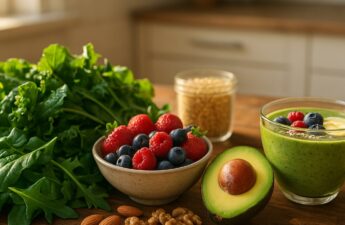

Gut health plays a crucial role in overall wellness, affecting everything from digestion to mental health. Incorporating a diverse range of whole foods, maintaining hydration, and managing stress are fundamental steps to significantly enhance gut health. By understanding the importance of gut flora and how lifestyle choices impact it, individuals can make informed decisions for better health outcomes.
Many people overlook the connection between gut health and common health issues. A balanced gut microbiome can improve immune function, boost energy levels, and even support mental clarity. Adopting small, sustainable changes can lead to impactful results in one’s daily life.
Exploring specific dietary choices and habits reveals how easy it can be to take charge of gut health. With the right tools and knowledge, improving gut health is within reach for anyone. Taking these steps can lead to a more vibrant and healthier life.
Understanding Gut Health and Its Importance
Gut health plays a crucial role in overall well-being, influencing not only digestive health but also aspects of mental health and immune function. Maintaining a balanced gut microbiome is vital for the body’s ability to function optimally.
The Complex World of the Gut Microbiome
The gut microbiome consists of trillions of microorganisms, including bacteria, viruses, and fungi, that reside in the gastrointestinal tract. This complex ecosystem contributes significantly to numerous bodily functions.
These microorganisms aid in digestion, producing essential nutrients like short-chain fatty acids, which improve gut barrier function. They also communicate with the immune system, helping to regulate immune responses and reduce chronic inflammation.
An imbalance in gut bacteria can lead to issues such as inflammatory bowel disease (IBD), irritable bowel syndrome (IBS), and obesity. Maintaining diversity within the microbiome promotes a resilient immune system and supports better overall health.
The Impact of Diet on Gut Microbiota
Diet plays a foundational role in shaping gut microbiota composition. Foods high in fibre, such as fruits, vegetables, and whole grains, feed beneficial gut bacteria and promote their growth. Consuming fermented foods, like yoghurt and kefir, introduces live probiotics that enhance gut health.
In contrast, high sugar and processed foods can disrupt the microbial balance, leading to an overgrowth of harmful bacteria. This imbalance can negatively affect digestive health and may contribute to conditions like obesity and gastrointestinal disorders.
Incorporating a nutrient-rich diet can positively impact gut health, thereby supporting mental health and the immune system. A mindful approach to eating empowers individuals to cultivate a thriving gut microbiome.
Essential Dietary Considerations for a Healthy Gut
Maintaining gut health involves careful attention to dietary choices. Incorporating both probiotics and prebiotics is pivotal, along with the inclusion of fibre-rich and fermented foods. Each plays a crucial role in supporting gut flora and overall digestive health.
Incorporating Probiotics and Prebiotics
Probiotics are live microorganisms that confer health benefits, primarily by enhancing gut flora. Foods rich in probiotics include kefir, kimchi, sauerkraut, and kombucha. These foods are essential for maintaining a balanced gut microbiome.
Prebiotics, on the other hand, are non-digestible fibres that serve as food for probiotics. Common sources of prebiotics include asparagus, bananas, onions, and whole grains. Consuming a mix of probiotics and prebiotics optimises gut health by fostering beneficial bacteria while providing them with the nutrients required for growth.
The Role of Fibre and Fermented Foods
Fibre is a vital component of gut health. It helps regulate bowel movements and promotes a healthy digestive tract. Foods high in fibre include whole grains, fruits, vegetables, beans, and nuts. This variety encourages the growth of healthy gut bacteria, reducing the risk of gastrointestinal issues.
Fermented foods also play an essential role. These foods undergo a natural process that boosts beneficial bacteria levels. Including items like tempeh and various ferments aids digestion and nutrient absorption. Regular intake of both fibre and fermented foods contributes significantly to maintaining a healthy gut environment.
Lifestyle Factors Influencing Gut Health
Various lifestyle factors significantly impact gut health. Attention to physical activity, stress management, sleep quality, and environmental influences can create a favourable environment for gut microbiota.
Physical Activity and Stress Management
Regular exercise promotes a diverse gut microbiome. Activities such as walking, running, or yoga can enhance gut health by increasing microbial diversity and reducing inflammation.
Stress management techniques, including meditation and deep-breathing exercises, also play a crucial role. Chronic stress can disrupt gut bacteria, leading to imbalances that can contribute to digestive issues. Managing stress levels via mindfulness practices can positively influence gut microbiota.
Hydration is another essential element; it supports digestion and helps maintain a healthy gut lining. Engaging in regular physical activity combined with effective stress management complicates conditions like irritable bowel syndrome (IBS) and other health concerns associated with gut health.
Sleep Quality and Other Environmental Influences
Sleep quality directly impacts gut health. Sleep deprivation affects the body’s circadian rhythm, disrupting hormone levels and increasing inflammation, which can harm gut flora.
Creating a conducive sleep environment, free from distractions, is essential for improving both sleep quality and gut health.
Environmental factors, such as exposure to pollutants, also influence gut microbiota. A balanced diet rich in fibre, antioxidants, and probiotics can help counteract these negative effects. Avoiding smoking is essential as well, as it disrupts the gut ecosystem and exacerbates health conditions related to the gastrointestinal tract.